
Top 10 Tips to Buy an Apartment in Madrid
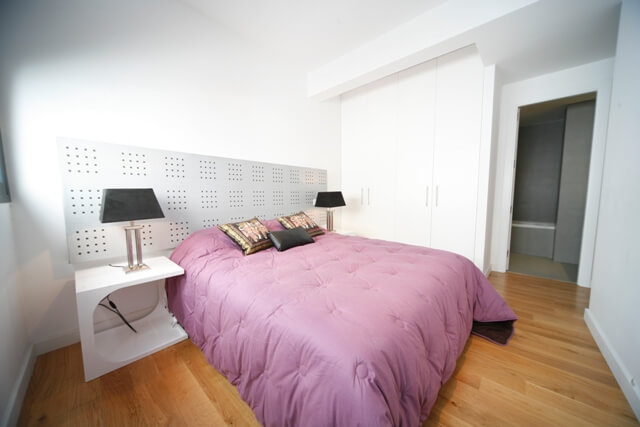
The Holy Grail: the perfect apartment to buy in Madrid !
If you are planning to buy an appartment in Madrid, I recommend you follow these 10 tips:
1) Location, Location, Location
Choose your neighbourhood well, and make sure it is one that suits your lifestyle and budget. Prices change considerably depending on the area in Madrid. Housing in the cheapest neighbourhood is about 40 percent cheaper than housing in a moderately priced (4000 €/m2) neighbourhood, and housing in the most exclusive area 40 percent more expensive (around 5000 -6000 €/m2).
2) Plan for extra costs for 7-12% on top of price
Be aware that on top of the price, you will have to pay first, either 6 percent for second-hand (“Patrimonial Transmission Taxes) or 10 percent (VAT)for newly built properties. Additionally other legal and administrative expenses related to the purchase and the mortgage will amount to costs equivalent to 1 to 2 percent of the property price.
For the low-down on all costs to expect: https://moving2madrid.com/cost-apartment-sale/
3) Buy & Hold
and buy now only if you plan to hold the property for more than a minimum of five years. It’s helpful to use the New York Times calculator to evaluate the minimum number of years you need to hold before selling in order for buying to be a better financial option than renting: https://www.nytimes.com/interactive/business/buy-rent-calculator.html
You can also flip now in the current market, but it needs advanced valuation and refurb skills.
4) Beware of Real estate agents
They do not work for you, but for the seller. They usually charge a commission to the seller: 6 percent is the average. This is different to other parts of Spain. However, some agencies, such as Red Pisos, charge 3 percent to each party, the seller and the buyer. Just be aware that, in most cases, you will not have to pay commission, but it may occur.
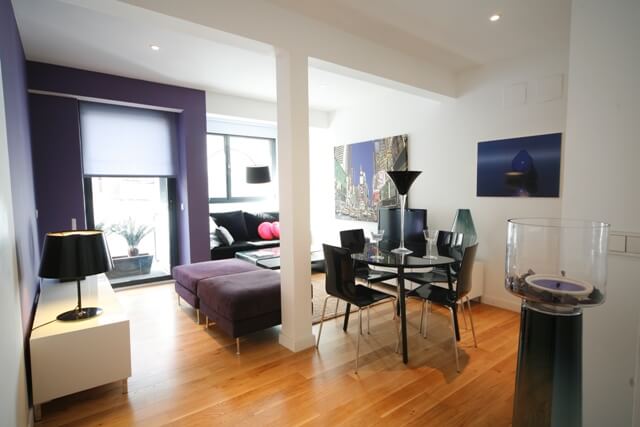
How can I find an apartment like this in Madrid ?
5) Estimate conservatively the rental returns
Take into account that if you have a refurbished and modern flat in the centre of Madrid, you will be able to easily rent if for days or weeks to tourists for good money. This can be a good way to make extra cash while traveling, especially for expats who are planning to leave their flat empty for months.
6) Do not focus on negotiation, but on value
To get the best deal in Madrid, you have identified undervalued properties and close them before other buyers, not negotiate during weeks to get the highest discount. Prices have been adjusted and do not need much negotiation in most cases in Madrid centre.
7) If you are renting out your aparment, choose short term holiday rentals, not long term
Indeed, as you will get double the return for renting out on airbnb compared to renting out on the normal long term rental market.
It is doable as all clients do, with a trustworthy management company, and a good decoration.
8) Either have minimum 50% down, or get the mortgage from your country
Always compare mortgages you can get in Spain to what you could get in your home country. Spanish banks are giving mortgages, up to 50% of property price with great rates.
9) Get help
you will need support, and keep in mind that real estate agents are not your friend – they only are business people working to sell houses. It’s recommended that expats use the services of a flathunter: a professional who can help get the best property at the best price. These service providers will ask for a percentage-based commission or fixed fee. Disclosure: Moving2Madrid is the one of only flathunters in Madrid and the only one focused on expats, with the lowest fee in the market (3%) and the best service: flathunting + relocation included in the same fee.
10) Get a lawyer
Finally, and just to be on the safe side of things, get a lawyer – you will need a local trustworthy lawyer to make the buying process easier and stress-free. If you use a flathunter, they should recommend a good professional from the start.
If you need help to buy the best property, do not hesitate to send us an email !
Yours Madridly,
+Pierre-Alban Waters –
Posted on 30 January, 2017 by Pierre-Alban Waters in Sin categoría, New? Start Here



Leave a Reply